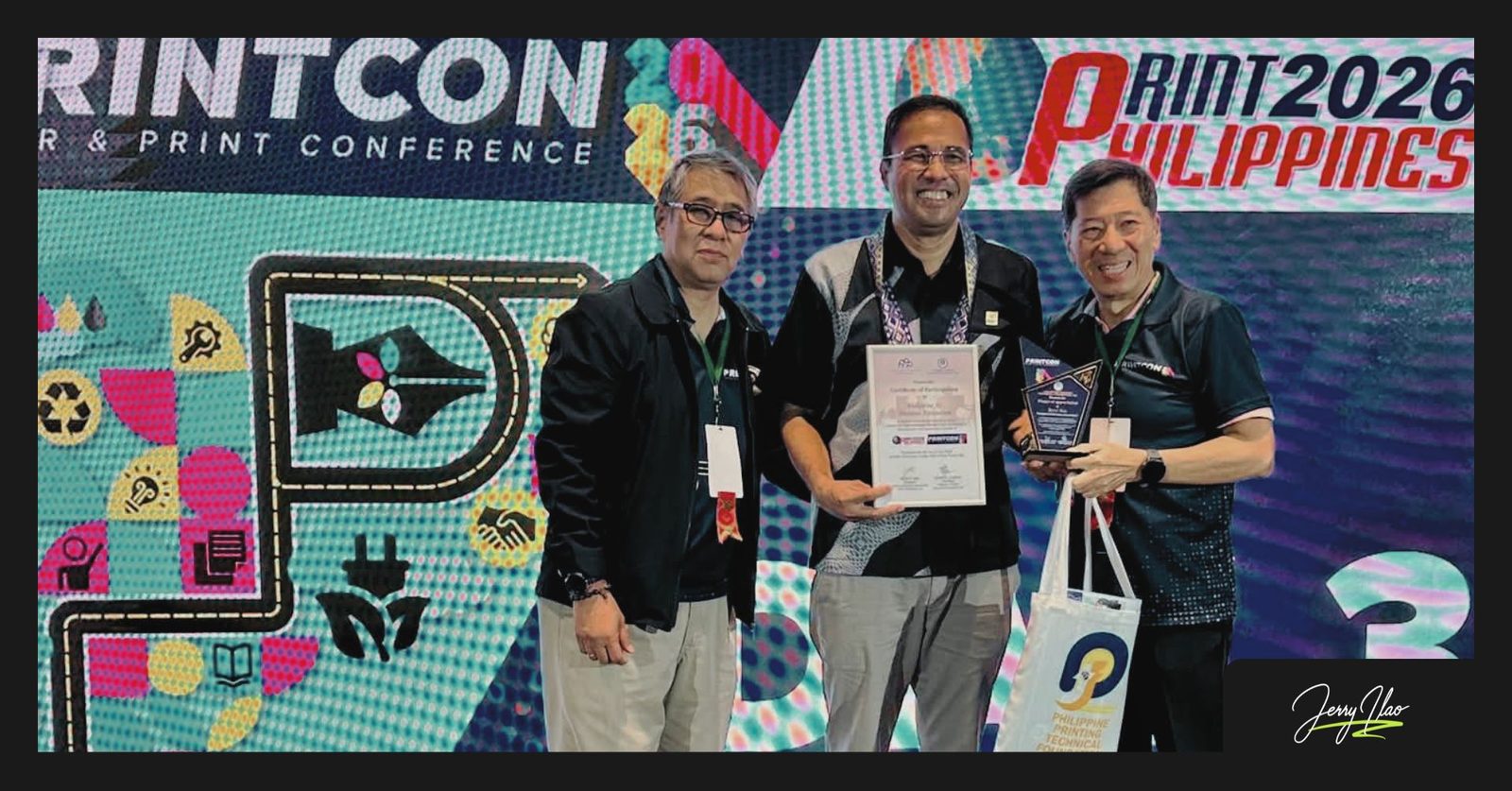
What AI Cannot Replace in Philippine Education
AI in Philippine education is widening a gap between existing skills and curricula that take years to change. Schools that survive this shift will assess thinking processes over final outputs, and treat co-curricular formation (building character, resilience, and leadership) as core academic work, not an afterthought.
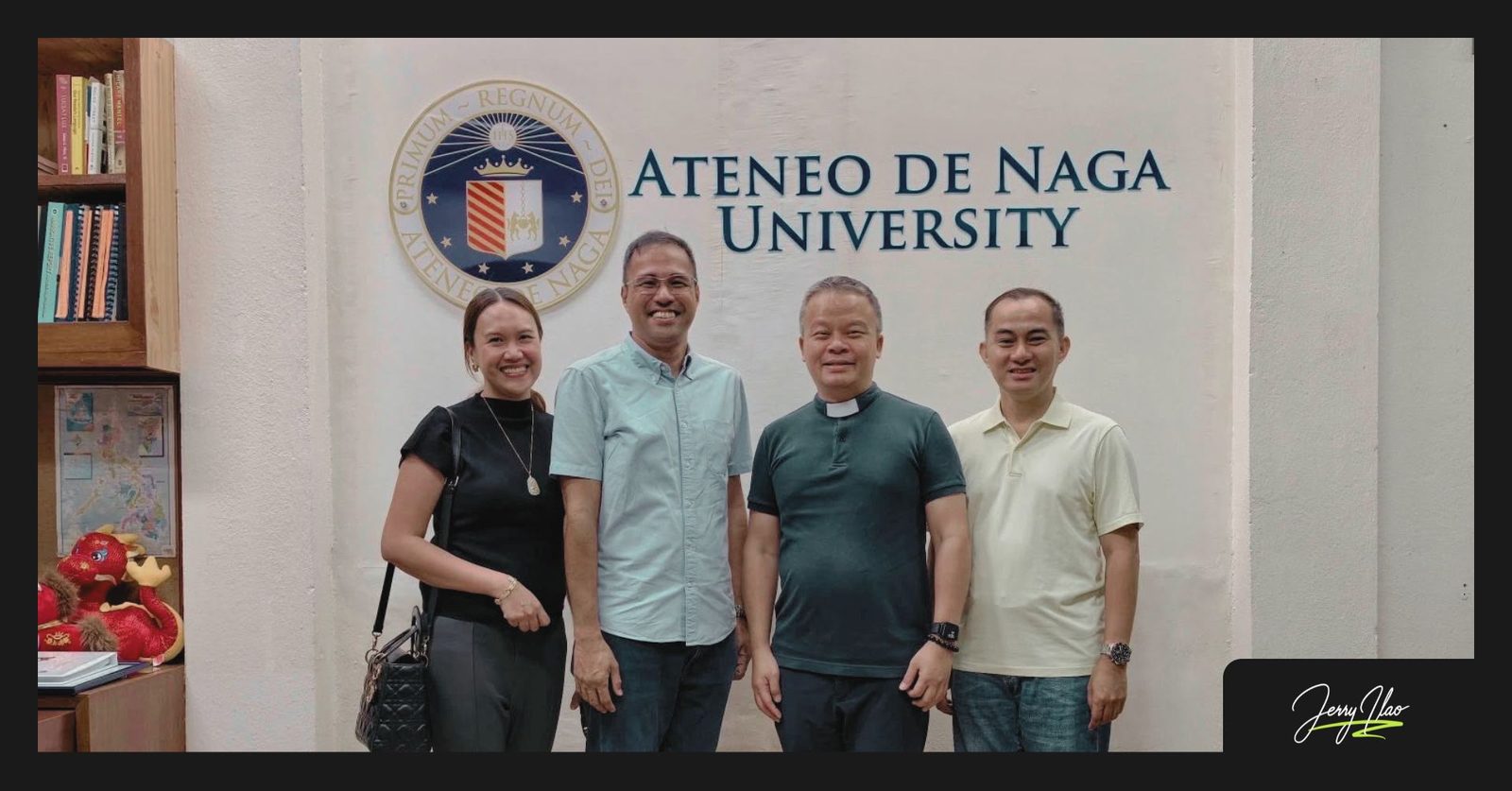
I was recently back at Ateneo de Naga University, my alma mater, invited to speak about how AI is shaping business and what it means for building AI-ready graduates.
As I was preparing for the talk, a lot of realizations came to mind.
One of them kept returning to me: skills are expiring faster now, while curricula still take years to change.
AI in Philippine Education: The Gap Schools Need to Confront
That creates a real challenge for educational institutions. It is not a new problem. The lag between industry needs and academic programs has always existed. But AI is accelerating it in a way that makes the old buffer zone too small to ignore.
When I was a student, a skill you built in your first year was still useful by graduation. That is less true now. Tools shift. Job descriptions change mid-program. A course designed around a specific technology can become outdated before the batch graduates.
Schools that are serious about this challenge have to think about two things at the same time.
Assess the Thinking Process, Not Just the Output
First, schools need to revisit how they evaluate student learning. In the AI era, it becomes even more important to assess the thinking process, not just the final output.
A student who submits a polished essay using AI assistance is not demonstrating the same capability as one who can argue their reasoning step by step. Both may hand in a similar piece of paper. Only one of them knows why it is good.
This is not an argument against AI use in school. It is an argument for redesigning assessment. Tests and projects that can be solved by a single prompt will keep producing graduates who can prompt, but cannot think. The output looks the same. The formation is completely different.
The assessment methods that work in this environment share one feature: they make the thinking visible, not just the result. Live walkthroughs. Portfolio work submitted in stages. Oral defenses. Problem sets where the student has to explain their choices. These formats survive AI assistance because they require the student to show how they arrived at the answer, not just what the answer is.
Why Co-Curricular Learning Will Take Center Stage
The second shift is bigger.
I believe co-curricular learning will take center stage in the coming years.
Right now, co-curricular activities tend to be treated as add-ons. Something to put on a resume. Nice to have. That framing needs to change.
Because when everyone has access to knowledge, what matters more is the formation of the person.
Think about what students have access to today. A student in Naga has the same search engines, the same AI models, and the same online courses as a student in Manila, Singapore, or San Francisco. Knowledge has been democratized. The information advantage that a well-resourced school once held is shrinking.
What a university can still give is the formation that comes from lived experience. No AI model can shortcut that.
Students can now create outputs in seconds. But they cannot prompt-engineer an angry teammate, a lost game, a failed school project, or the discipline needed to keep showing up.
Those experiences shape what matters more. The character, the resilience, the leadership, and the judgment of the person.
What AI-Ready Actually Means
There is a version of AI-ready that means: can use the tools, knows the prompts, passed the certification. That version is necessary but not sufficient.
The fuller version of AI-ready is: can think clearly in ambiguous situations, work through disagreements, lead when things go wrong, and keep showing up when it is hard.
At PAIBA, the Philippine AI Business Association, one of the consistent themes from business leaders is that they do not just need employees who know AI. They need employees with the judgment to use it well, and the character to use it responsibly.
That judgment is not installed by a course. It is formed over time, in experiences that stretch and challenge the person.
What Schools Can Do Starting Now
The changes needed are real, but the building blocks already exist in good schools.
**Redesign at least one high-stakes assessment per course to make the thinking process visible.**A thesis defense, a live presentation with follow-up questions, a portfolio with annotations. Any format that requires the student to show how they think, not just what they produced. Start with one course and learn from it before scaling.
**Treat co-curricular formation as a stated institutional priority, not a footnote.**This means giving it time, design, and attention. A student running an org and managing conflict with a team is developing something no textbook covers. That experience needs to be valued, not squeezed out by academic load.
**Train faculty to distinguish AI-assisted output from demonstrated capability.**Faculty who understand what AI-generated work looks like can design assessments that require more. They can also engage the student on their reasoning, which is a faster signal than any detection software.
**Build visible AI use into the learning environment rather than avoiding it.**When faculty use AI in front of students (showing the prompt, the output, the revision, the judgment call), they model the thinking process alongside the tool. That visibility matters more than any policy against use.
What Stays the Same
AI will keep changing. The tools that exist this year will look limited in five years. Entire job categories will shift in ways that are still hard to fully predict.
What stays the same is this: organizations run on people who can think, decide, and lead under pressure. Schools that form those people will produce graduates who are ready for whatever comes next, including the version of AI after this one.
That is what AI-ready really means.
For the operational side of that readiness — 15 practical use cases across teaching, assessment, student support, curriculum, and school operations, with what to keep human — see the AI for Education & Training in the Philippines playbook.
Jerry Ilao
AI Business Strategist · Creator of The 4A Blueprint
Jerry Ilao is the founding president of the Philippine AI Business Association (PAIBA), co-founder and CEO of AI consulting company Olern, and co-founder of Tarkie, field-work software used by 15,000+ Filipinos. He has led 200+ digital transformation projects since 2014 and now helps Philippine businesses adopt AI through The 4A Blueprint™, his practical framework for progressing from AI assistants to automation, agents, and AI-first operations.